5 Essential Tips for Commercial Refrigeration Maintenance
Refrigeration is the heart of your business. However, it can be challenging to keep up with manufacturer's recommended maintenance schedules when it’s not your staff’s expertise and they’re busy with customers and other vital work.
But without regular maintenance, it’s easy to fall into a “break-fix” cycle. Poorly maintained refrigeration systems can quickly become malfunctioning ones. Over a few years, it’s easy to spend as much on repairs, downtime, leaked refrigerant, and ruined inventory as a new equipment might cost. There are also hidden costs to poor maintenance: Shorter equipment life, higher energy costs, and potential regulatory issues.
While there are a few daily tasks that can’t be ignored, like ensuring inventory isn’t overstocked or blocking vents and keeping an eye on thermometers, most of the serious maintenance tasks can be tackled a few times a year by a professional partner. During these visits, your refrigeration team can also advise you on which units are nearing their end of life.
Proactive refrigeration maintenance like this will help you prevent refrigeration emergencies, save on costs, stay compliant, and keep operations humming.
Here are five essential refrigeration maintenance tasks to schedule, why you can’t ignore them, and how often they should be done.
Refrigeration Maintenance Tips
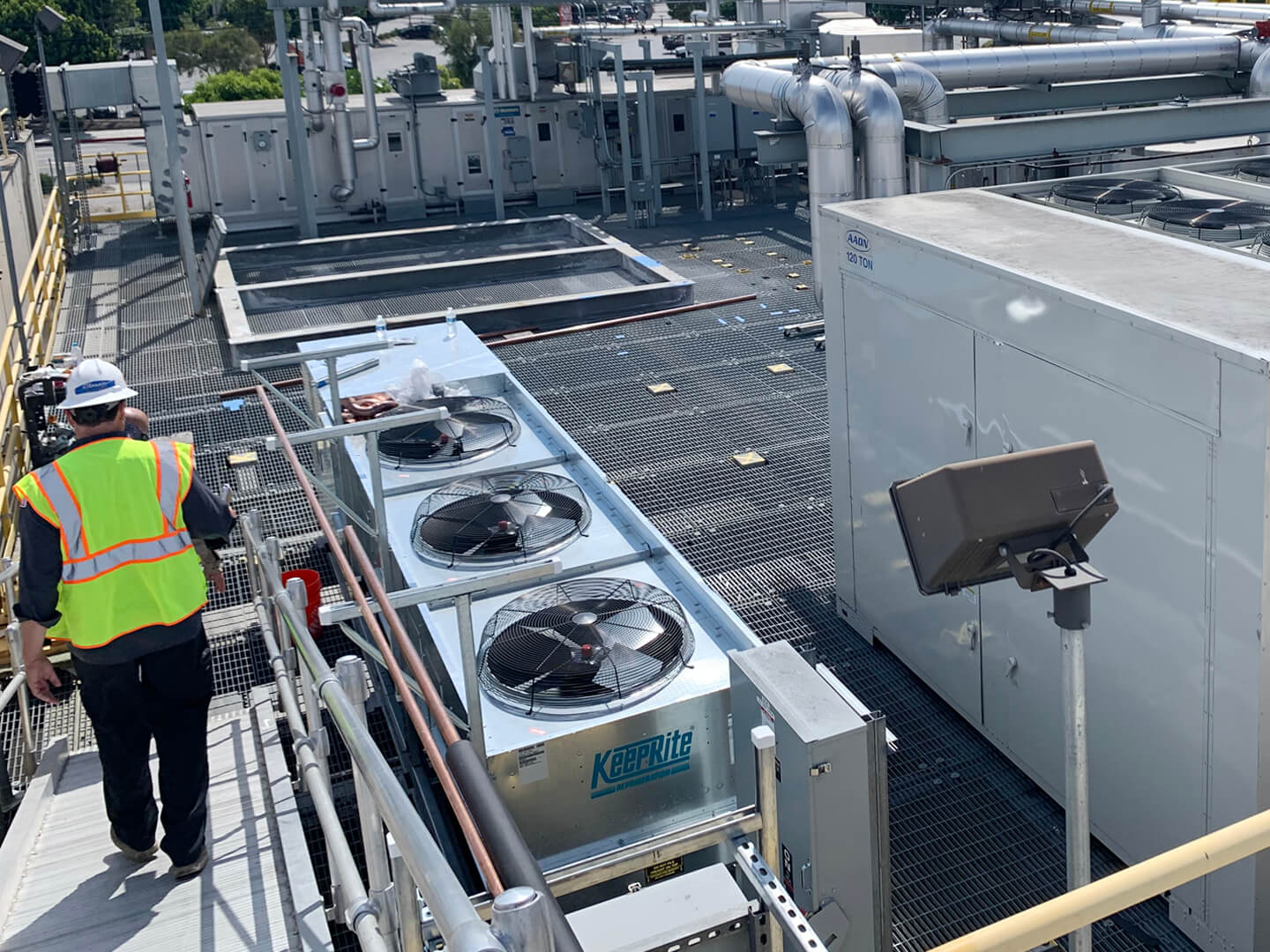
1. Inspect and Clean Your Coils
- What needs to be done: Professional power washing and cleaning of outdoor system coils to remove dust, grease, and pollen build-up, as well as vacuuming the grates and coils on self-contained units.
- How often: Quarterly or as needed based on your specific system, location, and local pollen counts.
- The consequences: If coils become clogged, air can’t get in to help the system shed heat. This causes the compressor to overheat and run continuously, increasing energy bills and causing expensive wear-and-tear. In extreme cases with CO2 systems, it can trigger safety valves to shut down the system entirely, leading to catastrophic product loss and an emergency repair call.
2. Secure Your Seals
- What needs to be done: A thorough inspection of all unit gaskets for tiny holes, tears, or brittleness, ensuring doors close with proper suction and no ambient air is leaking in.
- How often: Quarterly or semi-annually (per the advice of your refrigeration partner).
- The consequences: A compromised door seal allows warm, humid air to enter the unit, which freezes on the cold evaporator coils. This “frost-back” prevents proper heat transfer. The compressor will work overtime and wear out sooner. More critically, it can disrupt the unit’s ability to cool consistently, leading to dangerous temperature fluctuations and potential failure.
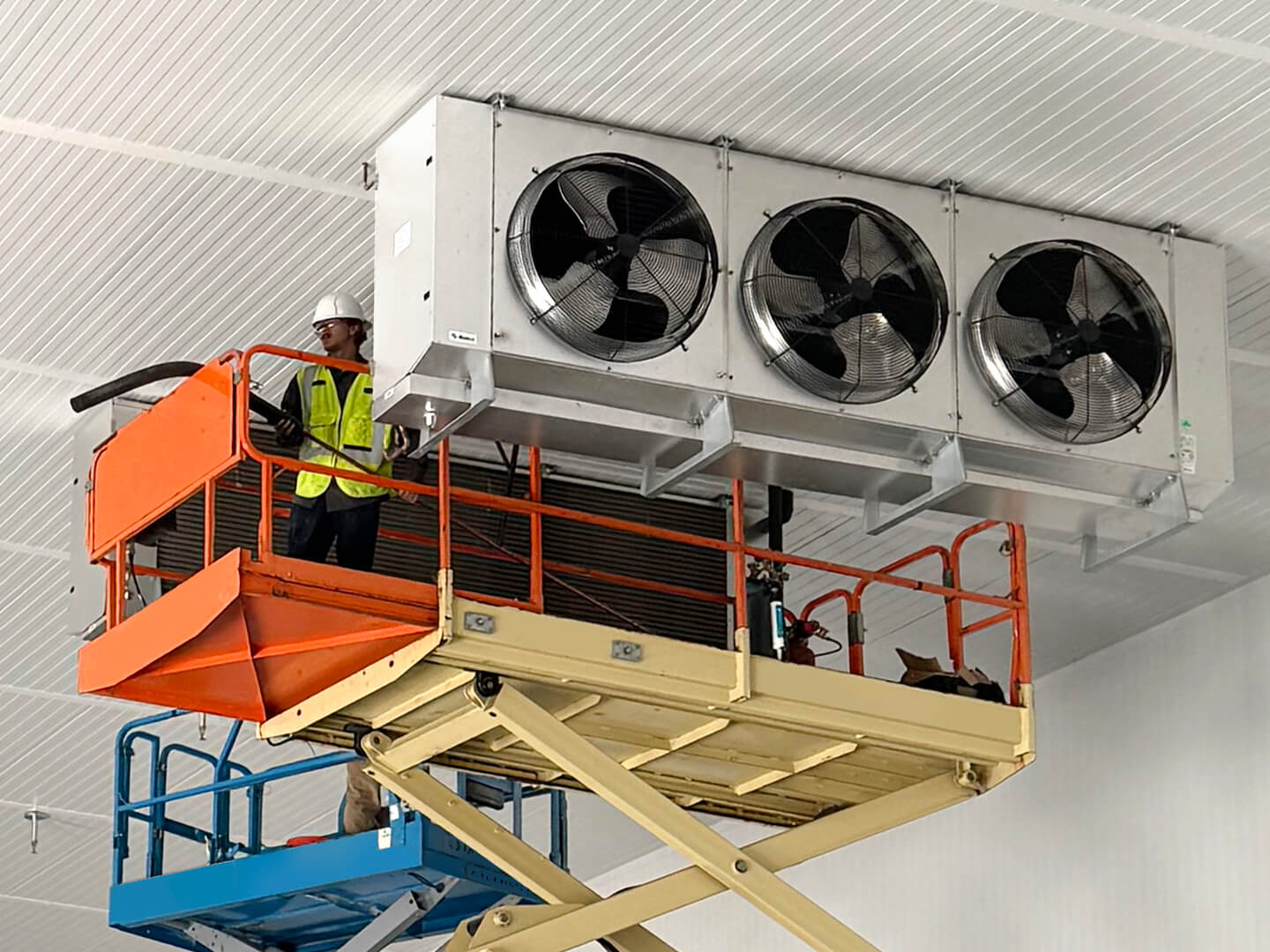
3. Verify Airflow and Evaporator Fans
- What needs to be done: Inspecting evaporator fans and ensuring cold air is continuously circulating properly without creating warm spots.
- How often: Quarterly.
- The consequences: Cold air must continuously circulate around refrigerated or frozen items to keep them properly chilled. When units are overloaded or vent openings are blocked, the air flow is disrupted. While this will cause the compressor to run nonstop, more dangerously it creates bacteria-friendly hot spots in the food, even if the unit’s main thermostat reads a safe temperature. Violations discovered by health inspectors can result in immediate fines, the forced discarding of inventory, and temporary closures.
4. Calibrate Thermometers and Controls
- What needs to be done: Recalibrating built-in thermostats, testing wireless data-logging probes, verifying safety switches, and ensuring temperature readings accurately reflect the product temperature.
- How often: Quarterly.
- The consequences: The FDA mandates that temperatures are routinely monitored to prevent foodborne illness. Thermostats can drift out of calibration over time. Being off by just 2°F can be the difference between a safe 39°F and a dangerous 41°F. Without regular calibration, you risk failing health inspections and compromising the safety of your inventory.
5. Check for Refrigerant Leakage
- What needs to be done: A comprehensive leak inspection and refrigerant level check using electronic or ultrasonic leak detectors to pinpoint microscopic leaks. Technicians should braze leaks shut and provide digital service records for regulatory compliance.
- How often: Quarterly, or as mandated by law, performed by an EPA Section 608 certified technician.
- The consequences: When gas levels drop due to leaks, the system can’t efficiently absorb and move heat to be shed. Your compressor will work overtime, driving up energy bills and risking premature compressor burnout. Failing to repair leaks in legacy HFC systems can also incur heavy regulatory fines from the EPA and great expense to replace the lost refrigerant.
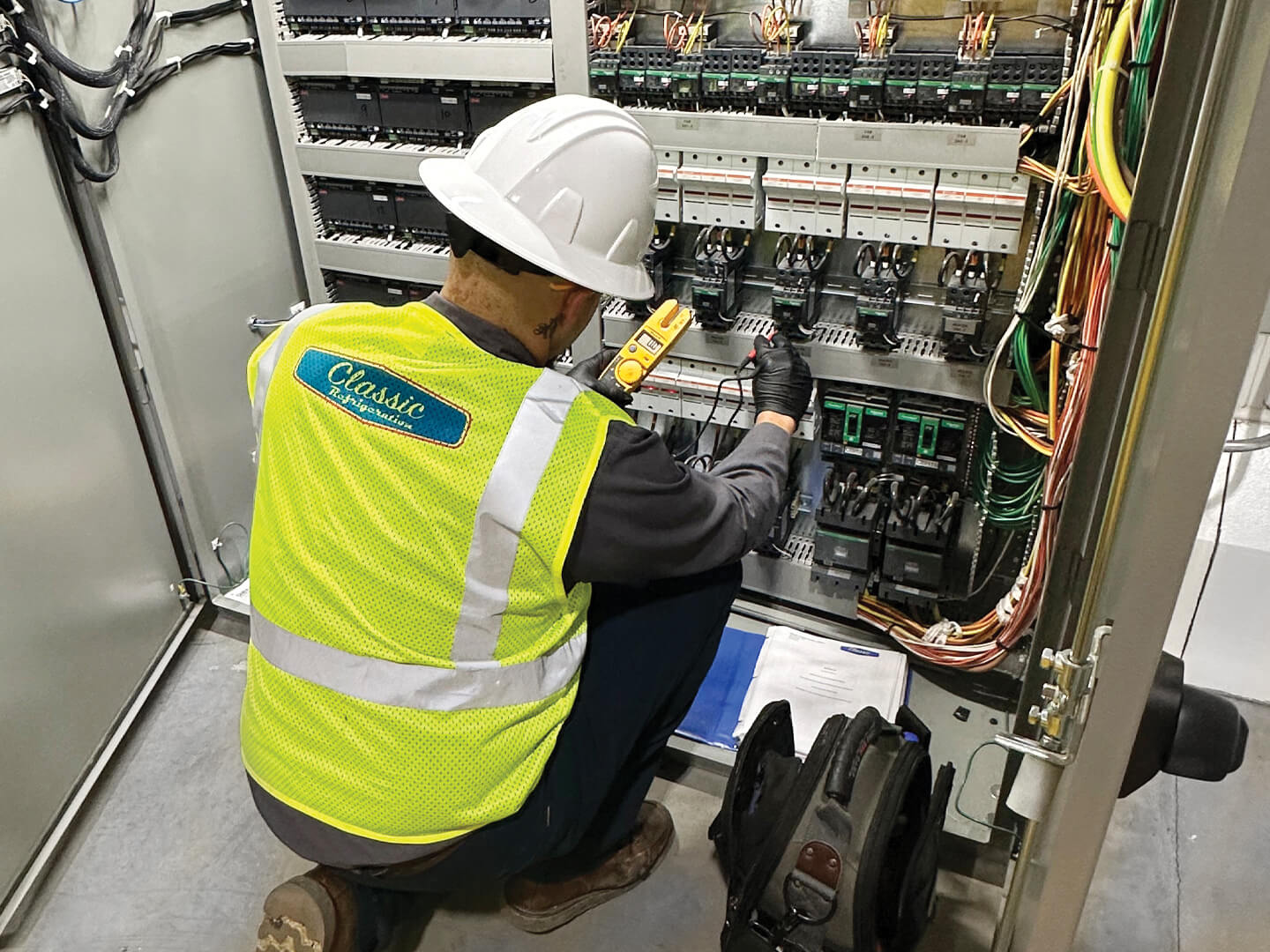
Refrigeration Maintenance Pays for Itself
The good news is that these maintenance tasks can be handled with routine, quarterly visits. “With planned maintenance, we can maximize schedules and minimize costs,” says Dave Rogers, Founder & CEO, Classic Refrigeration. “When repairs are unplanned, you throw those benefits out the window.”
For more than 30 years, Classic Refrigeration has been a trusted, family-owned partner providing turnkey solutions, expert engineering, and 24/7 maintenance. Whether you need a routine maintenance tune-up or inspect, want to move to CO2 systems, or have an emergency, Classic Refrigeration can help.