
Planning Your CO₂ Refrigeration Retrofit: What You Need to Know
As regulations, costs, and the general winds of change shift commercial refrigeration toward greener options — CO₂ in particular — you may wonder exactly what you’ll be getting into when you plan a refrigeration retrofit. It’s a large commitment, though one that can be made far easier with the right partner.
Why Businesses Are Considering Refrigeration Retrofits
Commercial refrigeration retrofits can be driven by several reasons, and most often it’s a combination of these reasons, not just one. For many, the tipping point is when your equipment reaches the end of its life, where expensive repairs and high maintenance costs make replacement more economical in the long term.
Rising Costs and Regulatory Pressure
Beyond such immediate needs, legacy systems are becoming too expensive. High-global warming potential (GWP) refrigerants are being phased out through mandated production draw-downs, driving up costs as supplies dwindle. Regulatory demands around these older gases are ramping up as well.
A Better Store Experience
There are even other compelling advantages to a refrigeration retrofit. Modern equipment will freshen your store’s aesthetic. And with customizable equipment types and layouts, you can explore today’s trends while future-proofing to meet whatever may be coming next.
Improved Energy Performance
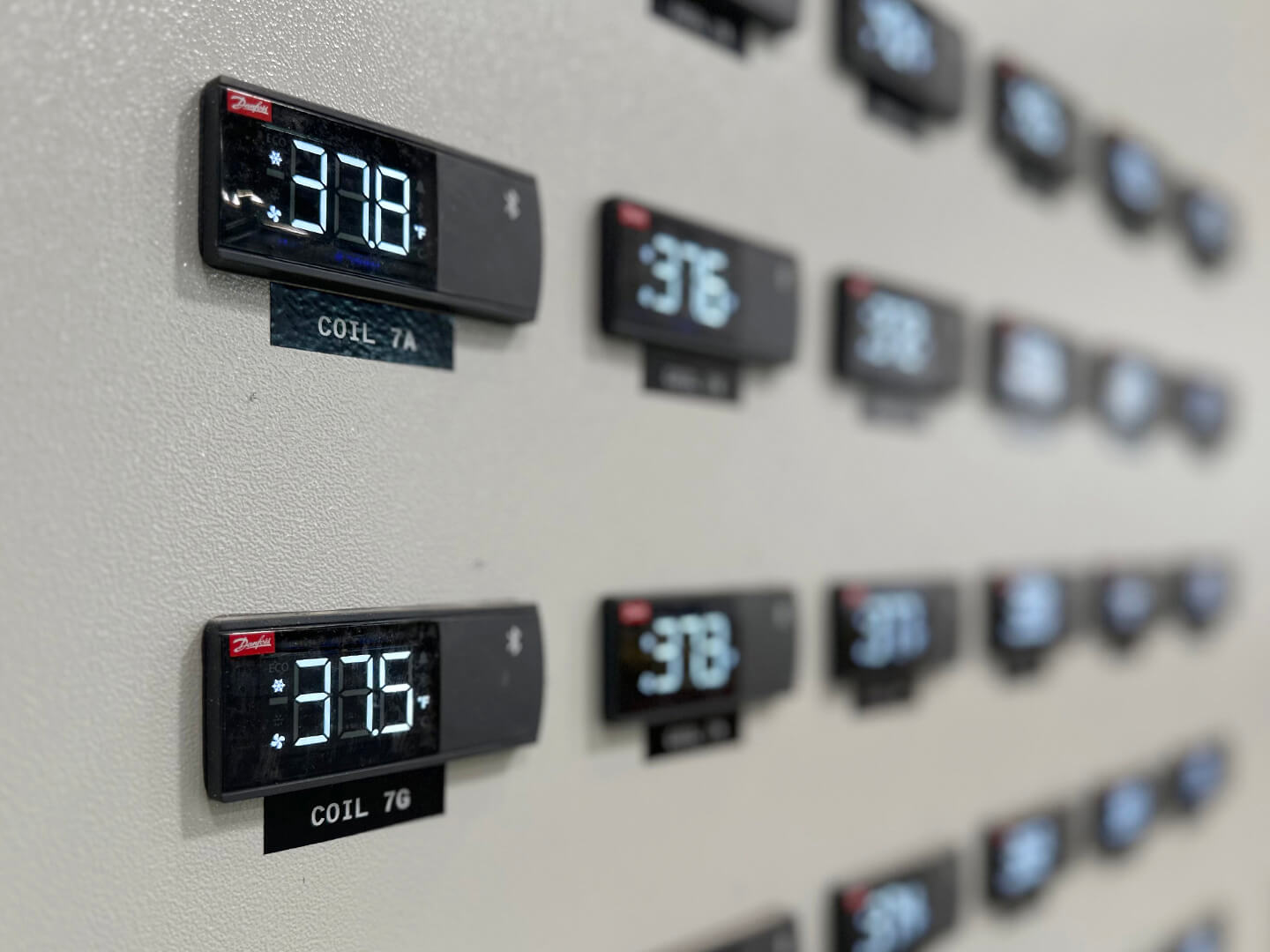
A retrofit can also improve energy performance. With heat reclaim systems, you can harness waste thermal energy from your refrigeration units to generate “free” hot water or heating. Smart controls can help reduce power consumption while providing proactive alerts, enabling you to address minor issues before they lead to large costs.
Now that we’ve covered the “why,” it’s important to discuss the “how.” Transitioning to a modern CO₂ system is a major project that involves more than just swapping out units. It requires careful planning, design, and construction to ensure the new system will deliver the ROI you expect and meet your needs for years to come.
The Five Phases of a CO₂ Refrigeration Retrofit
While every facility is unique, understanding the five phases of a typical retrofit will help you find the right retrofit partner and better prepare for a seamless upgrade.
.jpg)
Phase 1: Baseline audit and site survey.
Preparation starts with your refrigeration partner getting to know your store, site, and daily operational needs. A qualified engineer will conduct a thorough site inspection to identify potential installation barriers, review existing refrigerant line sizes, assess obsolete components, and verify your building's electrical capacities.
Phase 2: Equipment selection.
Next, you'll need to decide which system to purchase. Look for an agnostic partner who isn’t incentivized to push a specific manufacturer, so that you can select the system, cases, and smart controls that suit your budget, layout, and aesthetic needs. You may also explore Energy Management Systems (EMS) and custom control panels to further optimize your new system.
Phase 3: Engineering and system design.
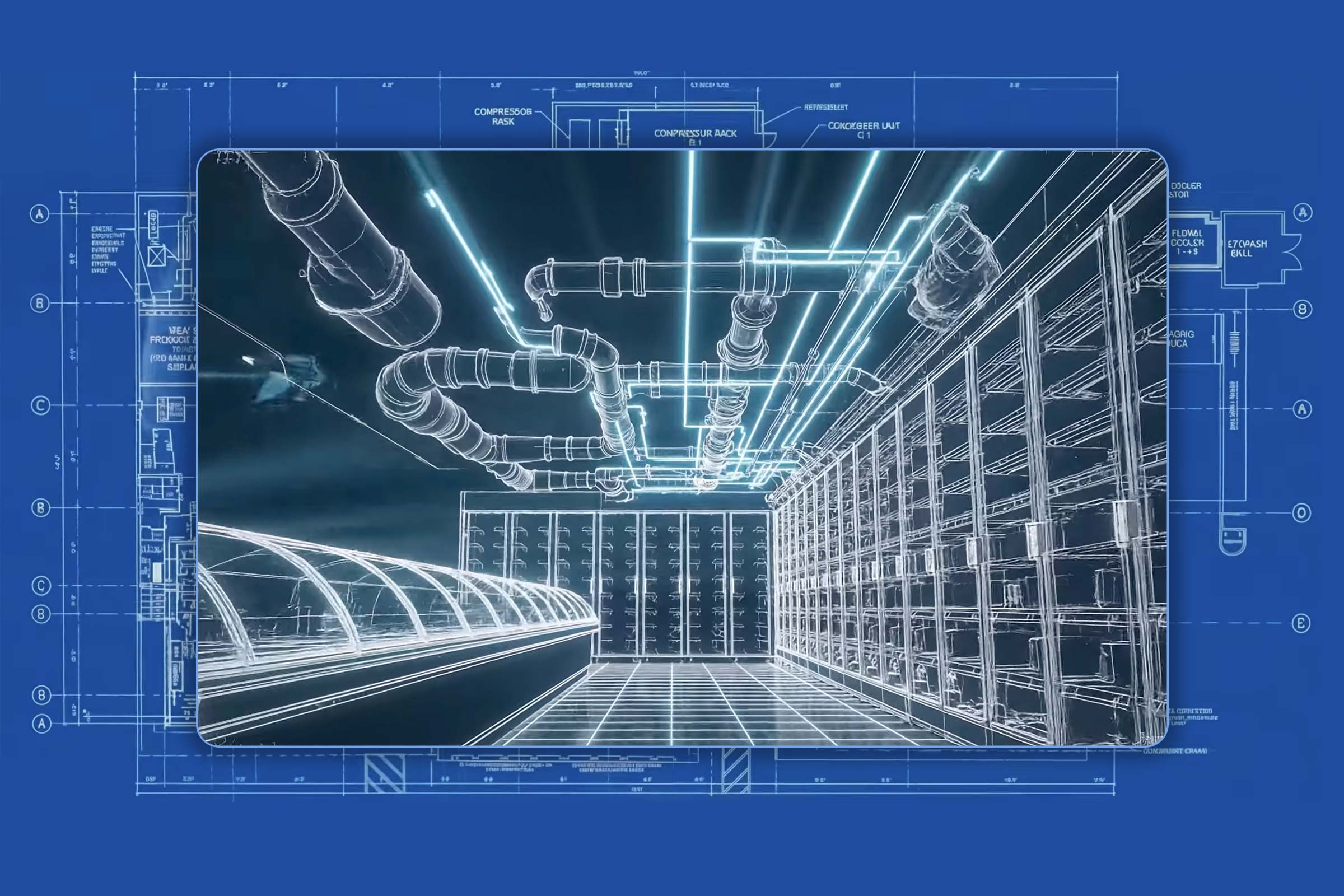
Once you’ve selected the equipment, your partner will create a comprehensive mechanical, electrical, and plumbing design customized specifically for your store’s footprint. This phase covers essential technical requirements, including high-voltage electrical support, AutoCAD design drawings, permit processing, and energy compliance documentation.
Phase 4: Custom carpentry and building modifications.
Retrofit plans often require physical changes to accommodate the new equipment. This may involve custom-built countertops, walk-in box construction, and the installation of new display cases, tubs, and racks. An end-to-end partner will have carpenters and construction teams on staff to handle these projects seamlessly.
Phase 5: Store coordination and downtime minimization.
Finally, you’ll work closely with your partner to plan retrofit dates and times that minimize shopper disruption. By relying on best practices, such as pre-fabricating piping sections before the system shuts down, and by having an in-house team that can cover all aspects of the retrofit, a full-service partner can ensure minimal disruption.
Start Your CO₂ Transition with End-to-End Retrofit Experts
A CO₂ retrofit is a significant undertaking, but one that leads to lower energy costs, enhanced food safety, reduced regulatory headaches, and a refreshed store that will wow customers. It requires careful planning and a consultative partner that will ensure you get the customized results your business needs.
Classic Refrigeration is led by early adopters of CO₂ systems and can offer end-to-end retrofits without the hassle of multiple contractors. Contact our experts to discuss your next project and schedule a site survey.